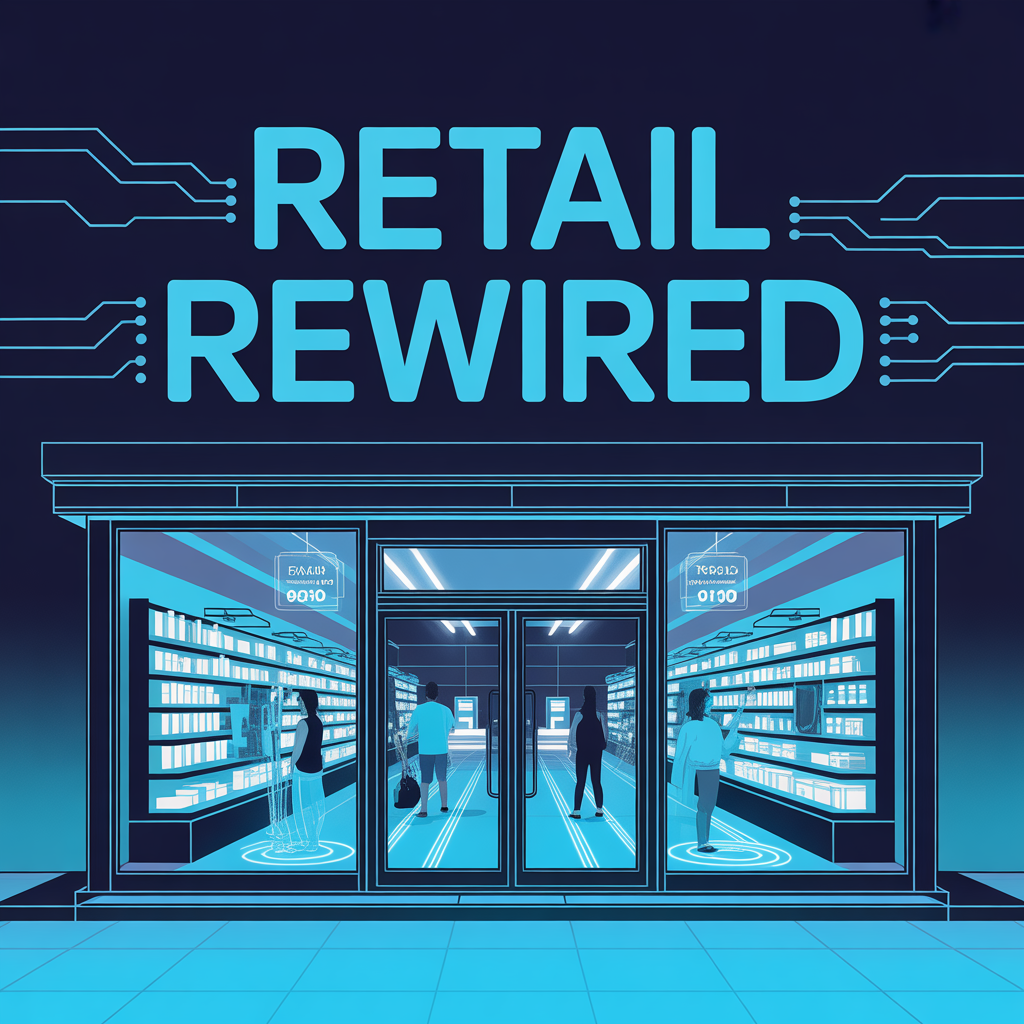
“Retail Rewired: Expert-Level Analysis and Myth-Busting Facts for a Smarter Store Strategy”
Retail is one of the most rapidly evolving industries, constantly shaped by technology, consumer behavior, and economic shifts.
While many managers operate based on conventional wisdom and experience, the ones who consistently outperform rely on expert-level analysis, challenge assumptions with myth-busting facts, and implement high-level insights rooted in real data—not guesswork.
This blog post uncovers the truth behind some of retail’s biggest misconceptions and introduces advanced strategies that lead to smarter, stronger store management.
If you want your retail operation to thrive in a competitive environment, it’s time to rethink what you think you know.
Myth #1: More Foot Traffic Equals More Sales
One of the most widely believed assumptions in retail is that increasing foot traffic will automatically improve sales.
But expert analysis reveals that conversion rate—not traffic volume—is the real success metric.
You could have thousands of visitors a week, but if only a small percentage buy, your store is leaking value.
High-performing managers study conversion drivers: greeting timing, product accessibility, checkout friction, and display clarity.
Improving these factors often yields a bigger ROI than attracting more passersby.
High-Level Insight: Focus on optimizing in-store behavior and staff interaction before investing in new traffic-driving campaigns.
Myth #2: Discounts Are the Best Way to Drive Volume
While promotions can drive short-term spikes, overuse of discounts erodes brand value and trains customers to wait for markdowns.
Advanced analytics show that value-added offers and experiential rewards often perform better in long-term loyalty and profitability.
For example:
-
Bundling complementary products.
-
Offering exclusive access to limited editions.
-
Providing member-only services or content.
These elevate perceived value without slashing margins.
Expert-Level Strategy: Shift from discount dependency to value differentiation. Educate your team on articulating benefits, not just price tags.
Myth #3: Staff Performance Is All About Sales Numbers
Judging staff based only on how much they sell is a common trap. Expert-level managers know that many behind-the-scenes behaviors drive success. These include:
-
Product replenishment speed.
-
Cleanliness and display upkeep.
-
Customer engagement quality.
Some of the highest-impact employees may not close every transaction, but they create conditions that make closing easier for others.
High-Level Insight: Track performance using a blend of sales, customer feedback, and task execution—not sales alone.
Myth #4: Store Layout Should Remain Consistent for Familiarity
Consistency can be comforting—but it can also lead to shopper fatigue.
Over time, customers begin to “tune out” familiar sections, resulting in fewer impulse purchases and shorter dwell time.
Expert-level analysis shows that minor layout changes—rotating displays, refreshing signage, or shifting departments—rekindle exploration and re-engagement.
Myth-Busting Fact: Strategic inconsistency boosts curiosity. Treat your store layout as dynamic, not static.
Myth #5: Stocking More SKUs Equals More Sales
Intuitively, offering more variety seems smart. But data often shows that SKU overload leads to decision paralysis, slower purchasing, and increased returns.
Instead of endless options, expert managers focus on curated assortments that highlight:
-
Bestsellers with proven ROI.
-
High-margin “hero” items.
-
Simplified choices that remove buyer confusion.
High-Level Insight: Less is often more. Use product storytelling and smart bundling to amplify fewer SKUs more effectively.
Myth #6: Customer Complaints Are a Sign of Poor Service
Surprisingly, a spike in complaints isn’t always a negative sign—it may reflect increased engagement or a shift in volume.
What matters most is how quickly and effectively complaints are resolved.
Advanced managers treat complaints as free consulting, using them to improve systems, clarify messaging, and train staff.
Expert-Level Strategy: Create a weekly feedback audit. Categorize complaints by type, location, and cause—and act on trends before they become patterns.
Myth #7: Loyalty Programs Are a One-Size-Fits-All Solution
Generic points-based loyalty systems are easy to implement but often fall short of building emotional attachment.
Expert managers analyze shopper behavior to create segmented loyalty systems that address different customer types:
-
High-frequency buyers (reward speed and convenience).
-
Big-ticket shoppers (offer early access and exclusives).
-
Referral champions (incentivize social sharing).
Myth-Busting Fact: The same reward doesn’t work for everyone. Tailor loyalty by behavior, not just spend.
Myth #8: More Staff Equals Better Customer Service
Hiring more people doesn’t guarantee a better experience. It can actually slow things down if roles aren’t clearly defined or if training is weak.
A smaller, cross-trained, highly skilled team often outperforms a larger, fragmented one.
Expert-Level Analysis: Efficiency and empowerment trump numbers. Train staff to handle multiple roles and empower them to make small decisions on the floor.
High-Level Insight: Measure task completion, adaptability, and customer rapport—not just headcount.
Myth #9: Online and In-Store Are Competing Channels
The old belief that e-commerce is killing brick-and-mortar is outdated. In truth, omnichannel shoppers spend more and remain more loyal than single-channel buyers.
Smart retail managers integrate digital and physical strategies:
-
Let customers check in-store stock online.
-
Offer in-store pickup with value-added upsells.
-
Use QR codes in-store to offer deeper product stories or online-only bundles.
Myth-Busting Fact: Digital and physical don’t compete—they complete each other.
Myth #10: Innovation Requires Huge Budgets
Many managers avoid trying new ideas because they think innovation means costly tech or complex systems. But breakthrough growth often comes from low-cost, high-impact ideas:
-
Swapping signage language from product features to lifestyle benefits.
-
Creating a community wall with customer stories and selfies.
-
Launching flash in-store “mini events” or staff-hosted demos.
These innovations require creativity—not capital.
High-Level Insight: Challenge your team to propose one new idea weekly. Innovation becomes habitual, not episodic.
Final Thought
Success in modern retail demands more than hustle—it requires clarity.
By using expert-level analysis, questioning common myths with fact-based insights, and implementing high-level strategies, store managers can elevate every metric that matters: from conversion and loyalty to team performance and customer delight.
Retail isn’t about clinging to tradition. It’s about understanding what really drives growth—and having the courage to evolve. With these insights in hand, your next-level strategy starts now.