
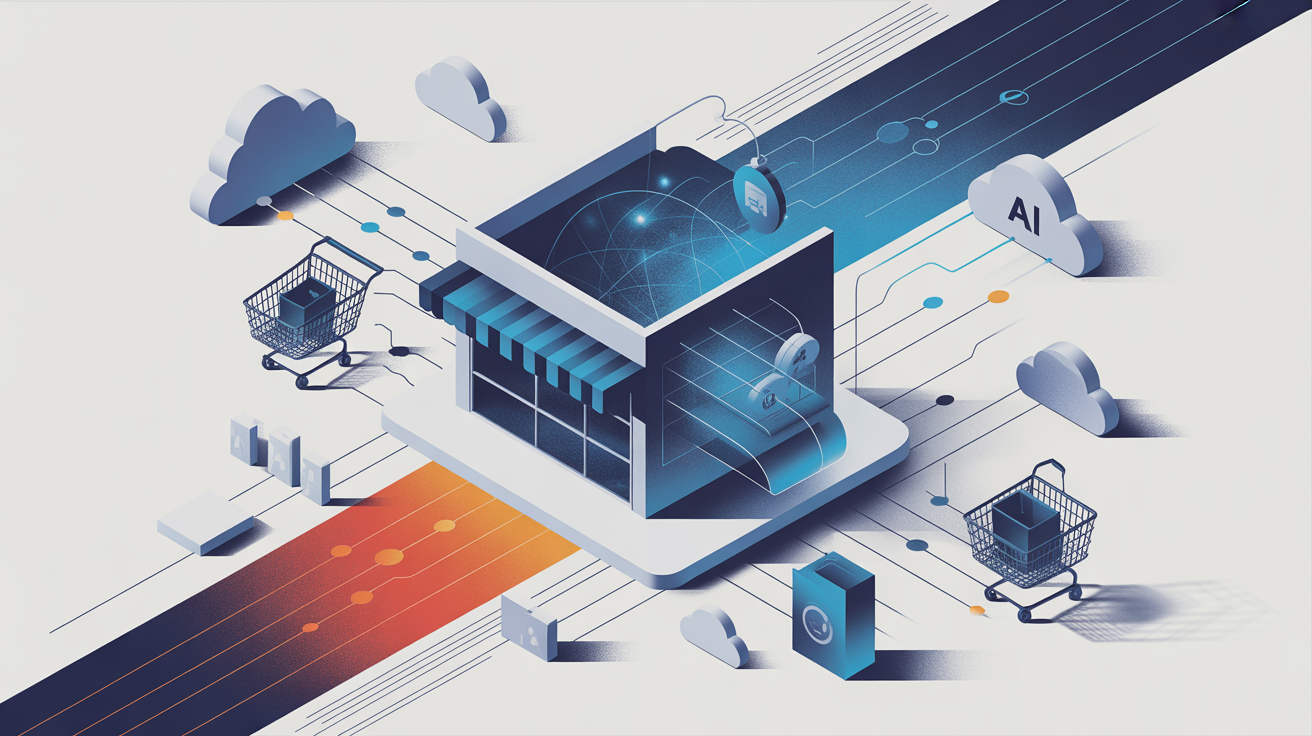
Retail Artificial Intelligence: Insider Tips, Game-Changing Ideas, and Hidden Dynamics Transforming the Industry
Retail is no longer just about shelves, displays, and checkout counters. The modern retail battlefield is digital, data-driven, and decisively influenced by Artificial Intelligence (AI).
From predicting consumer behavior to customizing in-store experiences, AI is reshaping how brands interact with customers, manage inventory, and make strategic decisions.
In this deep dive, we’ll explore insider tips used by top-performing retailers, game-changing AI applications that redefine success, and the hidden dynamics operating beneath the surface that can give any business—large or small—a competitive edge.
Insider Tips: How Leading Retailers Quietly Leverage AI
Retail leaders don’t just use AI—they embed it deeply into their operational DNA. Here are some insider strategies they employ:
1. Hyper-Personalization Through Real-Time Data Analysis
Brands like Sephora, Amazon, and Walmart track customer interactions in real-time.
By combining AI with customer data, they adjust product recommendations, pricing, and marketing messages instantly—delivering a unique experience to each shopper.
2. AI-Driven Demand Forecasting
Retailers are using machine learning models to analyze weather patterns, local events, and historical data to anticipate demand.
This minimizes overstock and understock issues—boosting profit margins while increasing customer satisfaction.
3. Smart Visual Merchandising
AI tools analyze foot traffic, shelf engagement, and even shopper sentiment through facial recognition or video analytics.
This allows brands to optimize store layouts and product placements dynamically.
Game-Changing Ideas: Transformations You Can’t Afford to Ignore
The impact of AI goes beyond small improvements—it’s about entirely new ways of thinking and operating.
1. Conversational AI & Virtual Assistants
AI chatbots are no longer just customer service tools—they’re becoming virtual sales agents.
These bots can upsell, provide personalized advice, and offer round-the-clock service. Brands that deploy conversational AI see higher engagement and lower support costs.
2. Dynamic Pricing Engines
Retailers are adopting AI models that adjust prices in real-time based on competitor pricing, supply levels, and buyer behavior.
This has become a game-changer during sales seasons, allowing brands to stay competitive without sacrificing profitability.
3. Visual Search & Image Recognition
With tools like Google Lens and AI-driven shopping apps, customers can now snap a photo of an item and find similar products instantly.
Retailers who integrate visual search into their apps increase conversion rates and provide a seamless shopping journey.
Hidden Dynamics: What Most Retailers Overlook
While many retailers dabble with AI, few truly understand the subtle forces that determine its success or failure. These hidden dynamics can make or break an AI strategy:
1. Data Quality is Everything
AI models are only as good as the data they’re trained on. Many retailers struggle because their customer data is siloed, outdated, or incomplete.
Investing in data governance is a crucial first step that’s often overlooked.
2. Staff Resistance to AI Tools
Retail employees may view AI as a threat.
Successful AI integration requires staff training, transparent communication, and human-in-the-loop systems that augment rather than replace jobs.
Retailers that engage employees in AI adoption see smoother transitions and better results.
3. Ethical Use and Customer Trust
AI surveillance tools—like facial recognition—can backfire if perceived as invasive. Balancing personalization with privacy is critical.
Smart retailers build AI systems with transparency and give customers control over their data.
How Small and Mid-Sized Retailers Can Compete
AI isn’t just for the Amazons and Walmarts of the world. Here’s how smaller players can harness its power:
-
Use AI-Integrated POS Systems: Many modern POS systems offer built-in analytics and forecasting tools powered by AI. These can provide insights on peak shopping hours, top-selling products, and customer buying patterns.
-
Leverage Affordable AI Tools: Services like ChatGPT, Jasper, and Google Vertex AI offer accessible platforms for creating product descriptions, chatbots, and customer interaction scripts—without needing in-house AI developers.
-
Start with One Problem: Instead of overhauling your entire operation, identify one pain point—like inventory management or customer engagement—and apply an AI solution there. Quick wins can build momentum and confidence.
The Future of Retail AI: What’s Next?
The pace of AI evolution shows no sign of slowing. Here are a few frontier developments on the horizon:
-
AI-Powered Physical Stores: From Amazon Go’s cashier-less experiences to RFID-powered smart shelves, physical retail is becoming just as intelligent as e-commerce.
-
Emotion Recognition: Future AI systems will be able to read emotional cues from shoppers and adjust experiences accordingly—like calming music, product suggestions, or lighting changes based on mood.
-
Zero-Click Shopping: Imagine a world where AI anticipates your needs so well that products are delivered to your door before you even think to order them. Predictive commerce is heading in that direction.
Final Thoughts
Retail Artificial Intelligence is no longer a futuristic concept—it’s an essential toolkit for survival and growth in today’s market.
Whether you’re a global brand or a local boutique, understanding and leveraging the insider tips, game-changing ideas, and hidden dynamics of AI can unlock powerful opportunities.
The retailers who thrive in the next decade will be those who embrace this shift boldly, experiment wisely, and stay ahead of the AI curve.

