“Retail Reinvented: Strategic Game-Changers and Underground Trends Reshaping the Industry”
Retail isn’t dying — it’s evolving.
While headlines often highlight store closures and shifting consumer habits, the reality is that smart retail managers are leveraging innovation and agility to unlock new growth.
The game has changed, and those who understand the rules of this new retail era are thriving.
In this post, we’ll explore strategic game-changers, underground trends, and exclusive insights that are redefining the future of retail management.
Retail as Experience: The New Currency
One of the biggest strategic shifts is the move from product-based to experience-based retail. Today’s customers aren’t just buying items — they’re buying stories, feelings, and memories.
This is especially true for younger demographics who prioritize authenticity and atmosphere.
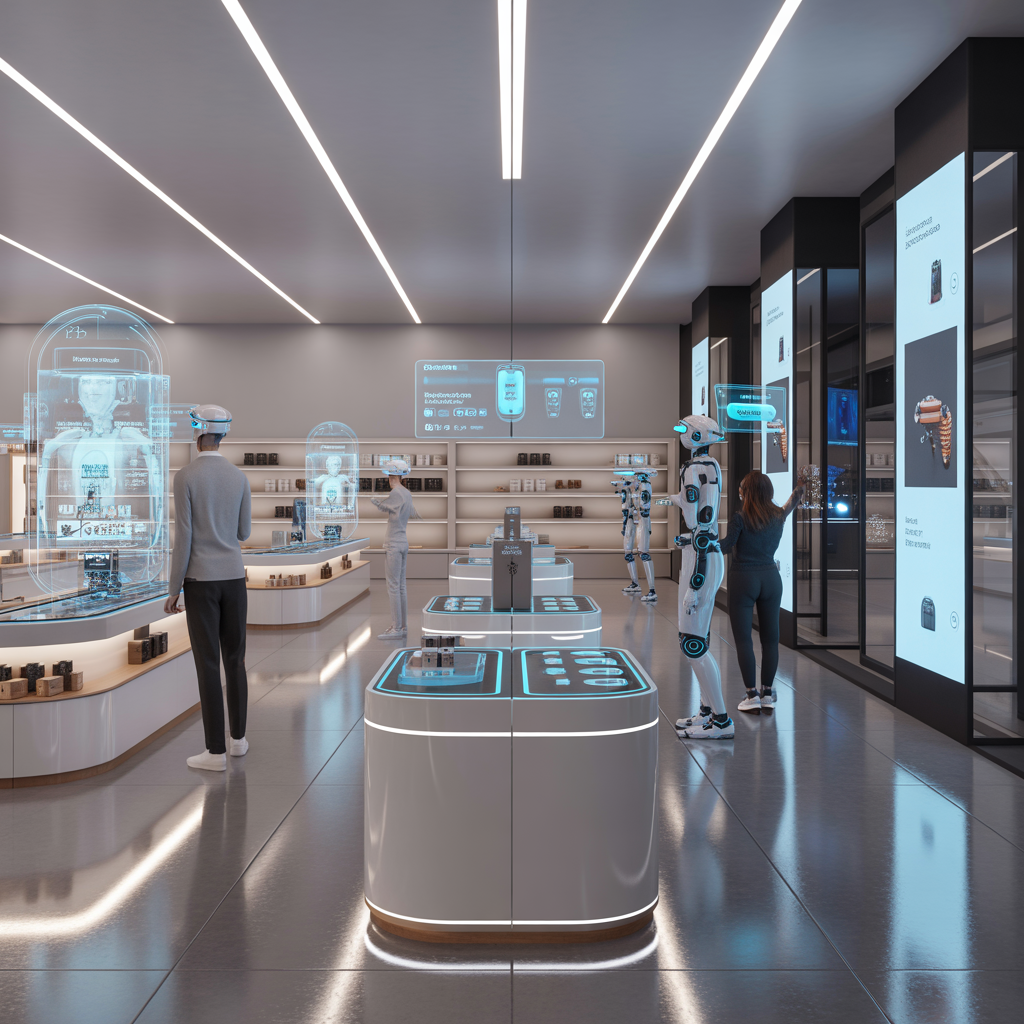
Leading retailers now design stores to feel like immersive environments, from scent-scaped showrooms to interactive displays.
Some introduce touchscreens for personalized recommendations or allow customers to test products in real-life simulations.
These exclusive insights into buyer psychology reveal that memorable experiences often result in higher conversion rates and greater brand loyalty.
The Rise of “Store as Media”
A cutting-edge trend flying under the radar is treating physical retail spaces as media platforms, not just sales locations.
With foot traffic becoming more valuable due to digital fatigue, stores can now monetize attention.
Forward-thinking brands are integrating product placement partnerships, using in-store screens to run branded content, and hosting influencer-driven livestreams on-site.
The store becomes both a showroom and a content creation hub — a powerful hybrid that turns marketing into an in-store experience.
Strategic Use of Micro-Formats
Bigger is no longer better. One of the most disruptive underground trends is the micro-retail format — small, hyper-curated spaces designed for agility and intimacy.
Pop-ups, kiosks, and mobile units allow brands to test new markets, gauge customer interest, and create urgency.
These smaller formats can pivot quickly, adapt to seasonal or trending products, and operate with reduced overhead.
Smart retail managers use micro-formats to experiment with new SKUs, gather local data, and build buzz without committing to full-scale rollouts.
Hybrid Roles for a New Kind of Staff
Staffing models are also evolving in response to shifting expectations.
The next wave of retail success comes from hiring and training employees to perform hybrid roles — blending sales, service, digital assistance, and community engagement.
Rather than simply operating registers, these associates function as brand ambassadors, content creators, and in-store influencers.
Some stores even equip staff with mobile POS devices and encourage them to build personal followings online, merging the in-store and digital retail experience into one seamless ecosystem.
On-Demand Retail: Speed Wins Loyalty
One game-changing idea reshaping customer loyalty is on-demand retail.
Customers increasingly expect instant access, whether it’s same-day delivery, in-store pickup, or even curbside exchanges.
Retailers that invest in backend logistics and real-time inventory visibility gain a significant edge.
The key lies in treating fulfillment as part of the brand experience — not just a transactional endpoint.
Smart managers ensure that pickup counters are as well-branded and pleasant as the sales floor, recognizing that convenience and speed now drive repeat business.
Digital Twins for Retail Optimization
An advanced and often underutilized technology trend in retail is the digital twin — a virtual replica of a physical store used for simulation and testing.
Managers can test new layouts, pricing strategies, or product placements in a simulated environment before rolling them out.
This leads to more precise planning, reduces risk, and supports data-driven decision-making.
Though it sounds futuristic, many mid-sized retailers are already adopting this tool — it’s an exclusive insight that’s likely to become mainstream in the next few years.
Retail Subscriptions: Building Predictability
Another underground trend gaining momentum is retail subscriptions. This isn’t just for boxes or eCommerce — even brick-and-mortar stores are tapping into the model.
From fashion rental services to refillable eco-friendly products, offering customers the ability to subscribe creates recurring revenue and strengthens brand commitment.
Managers can personalize these subscriptions using data insights, making the offering feel tailored rather than transactional.
Reverse Showrooming as Strategy
We’ve all heard of showrooming — where customers browse in-store and buy online. But reverse showrooming is the new opportunity.
Here, customers research online but are drawn in-store to finalize the purchase because they want tactile confirmation or in-person advice.
Retailers that win in this space create online-to-offline bridges through localized digital ads, real-time inventory updates, and staff training focused on conversion.
Understanding and capitalizing on this behavior is a strategic game-changer that flips an old threat into a modern strength.
Purpose-Driven Retail: Values as a Sales Driver
Customers aren’t just buying from brands — they’re buying into them. One exclusive insight among successful retail chains is the emphasis on purpose-driven business models.
Sustainability, community impact, and ethical sourcing aren’t just PR buzzwords — they influence purchasing decisions.
Smart managers embed these values at the operational level: sourcing from local artisans, offering recycling programs, or making charitable partnerships visible in-store.
These authentic practices inspire deeper loyalty and distinguish your store from faceless competitors.
Data-Led Personalization at Every Touchpoint
The strategic use of data has matured beyond email personalization.
Now, managers use data to shape everything — from product selection and staff scheduling to ambient music and scent strategies.
Retailers collect data through loyalty programs, browsing behavior, social media engagement, and POS systems.
When harnessed correctly, it enables predictive personalization — anticipating what a customer might need before they ask.
This not only boosts sales but also creates a seamless experience that feels intuitively crafted.
Final Thought
Retail management is undergoing a powerful transformation.
Those stuck in traditional models will struggle, while those who embrace strategic game-changers, leverage underground trends, and apply exclusive insights will position themselves as leaders in the next era of commerce.
Whether you’re optimizing micro-stores, integrating digital content, or reinventing customer engagement strategies, the opportunities are there — if you’re willing to think beyond the display window.
Retail isn’t fading. It’s being reinvented — and now is your chance to lead that reinvention.