
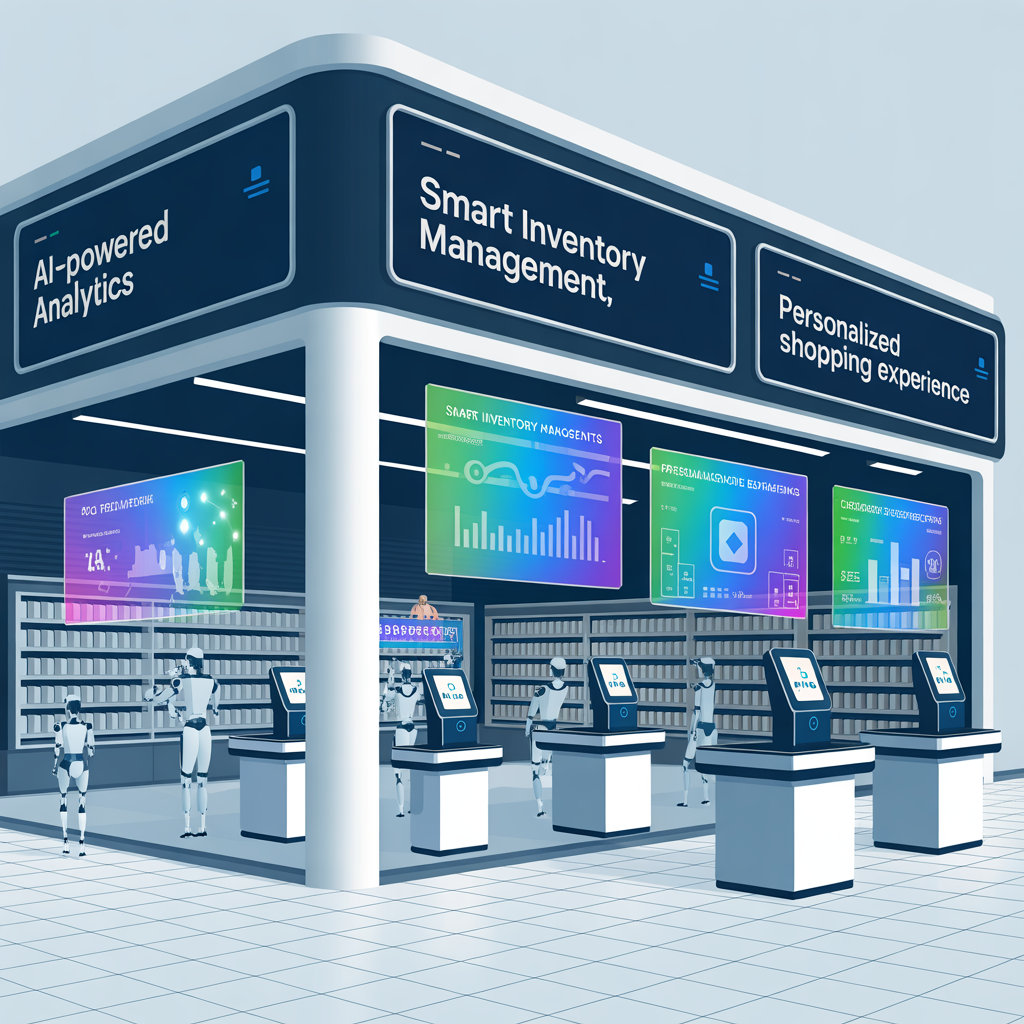
Retail Artificial Intelligence: Hidden Gems, Expert-Only Knowledge, and Unseen Opportunities in Modern Commerce
Retail Artificial Intelligence is often associated with massive budgets, complex systems, and global brands.
Yet beneath the surface lies a powerful ecosystem of hidden gems—AI tools, methods, and strategies that many retailers overlook.
When paired with expert-only knowledge and an understanding of unseen opportunities, AI becomes not just accessible, but transformative for businesses of all sizes.
This article uncovers lesser-known AI solutions in retail, shares expert-level insights on effective implementation, and reveals opportunities that remain largely untapped across the industry.
Hidden Gems: Overlooked AI Tools Retailers Can Use Today
While headline-grabbing AI platforms dominate attention, many smaller, specialized tools quietly deliver exceptional value.
AI-Powered Demand Sensing Tools
Unlike traditional forecasting systems, demand sensing AI analyzes short-term signals such as social trends, local events, weather shifts, and real-time sales data.
These tools allow retailers to react quickly to changes, preventing missed sales or excess inventory.
Computer Vision for Shelf Intelligence
AI-driven computer vision systems monitor shelf availability, planogram compliance, and product placement using simple cameras.
These tools reduce out-of-stocks, improve merchandising execution, and provide insights previously available only to enterprise retailers.
Automated Content Generation for Product Listings
AI platforms can generate optimized product descriptions, metadata, and visuals at scale.
Retailers using these tools improve search visibility, maintain brand consistency, and reduce manual workload—especially valuable for stores with large catalogs.
Expert-Only Knowledge: What AI Specialists Know That Others Don’t
AI success in retail isn’t just about tools—it’s about how they’re deployed.
Start with Decision Impact, Not Technology
Experts begin AI initiatives by identifying high-impact decisions—pricing, replenishment, promotion timing—then apply AI specifically to those areas.
This avoids wasted investment and accelerates ROI.
Model Accuracy Isn’t Everything
Retail AI specialists know that explainability often matters more than raw accuracy.
Models that merchandising teams can understand and trust are far more likely to be adopted and acted upon.
Continuous Learning Beats One-Time Deployment
Effective retail AI systems evolve. Experts monitor model performance, retrain algorithms, and adjust inputs as consumer behavior changes—keeping insights relevant and reliable.
Unseen Opportunities in Retail AI
Many AI opportunities remain underexplored because they don’t fit traditional retail thinking.
Hyper-Localized Personalization
Most personalization strategies focus on individuals, but AI enables hyper-local targeting based on store location, neighborhood behavior, and regional preferences.
This approach dramatically improves relevance for brick-and-mortar retailers.
AI-Driven Vendor Negotiations
Advanced retailers use AI to analyze supplier performance, pricing trends, and contract terms.
These insights strengthen negotiation positions and reduce procurement costs—an area few retailers associate with AI.
Predictive Returns Management
Returns are one of retail’s biggest hidden costs.
AI can predict return likelihood before purchase, adjust policies dynamically, and route returned products to optimal locations, reducing losses while maintaining customer satisfaction.
Why Small and Niche Retailers Are Perfectly Positioned
Contrary to popular belief, small and niche retailers often gain more from AI than large chains.
-
Focused Product Lines make model training easier and insights clearer
-
Agile Decision-Making allows faster implementation and iteration
-
Cloud-Based AI Platforms eliminate the need for heavy infrastructure
By leveraging hidden gems and expert-only knowledge, smaller retailers can compete on intelligence rather than scale.
Avoiding the Pitfalls That Hide AI’s True Value
Many retailers miss opportunities due to common missteps.
Overcomplicating Implementation
Retail AI works best when it integrates smoothly with existing workflows. Complexity reduces adoption and slows impact.
Ignoring Organizational Alignment
AI insights are only valuable if teams act on them. Successful retailers align leadership, operations, and frontline staff around AI-driven decision-making.
Underestimating Data Strategy
Data consistency and accessibility are foundational. Retailers that treat data as a strategic asset unlock far greater AI potential.
The Expanding Role of AI in Retail’s Future
Retail Artificial Intelligence is evolving from a support function into a strategic core.
Future systems will anticipate trends, automate decisions, and identify opportunities humans might never detect.
As AI becomes more accessible, the real advantage will lie in discovering and applying the hidden gems, expert-only insights, and unseen opportunities that others overlook.
Retail Artificial Intelligence isn’t reserved for industry giants. With the right approach, it becomes a powerful equalizer—unlocking growth, efficiency, and innovation across the retail landscape.